


Onychomycosis Image

Preventing Onychomycosis: Tips for Healthy, Fungus-Free Nails

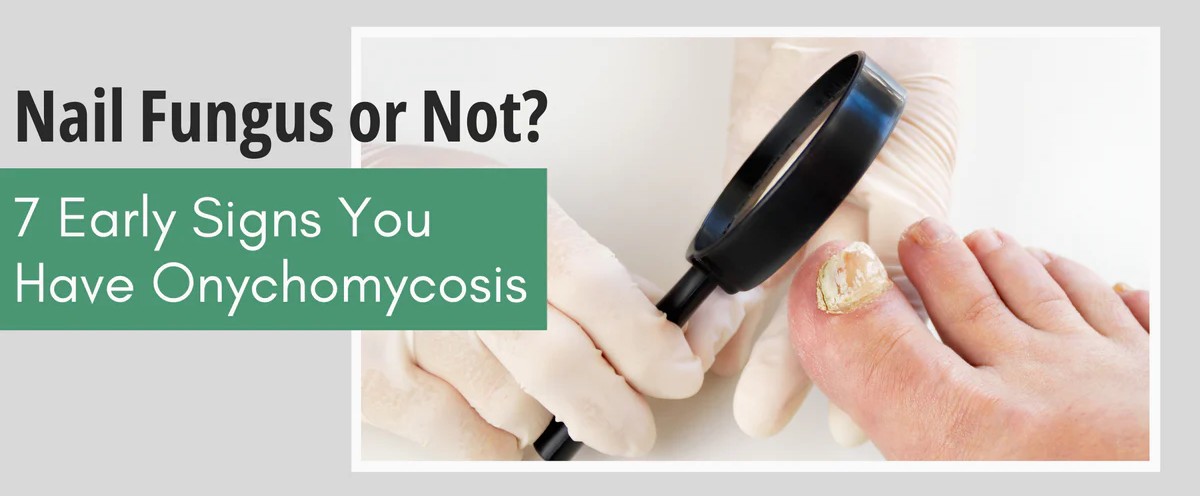
Onychomycosis is a common fungal infection of the nails that affects millions of people worldwide. This condition primarily targets toenails, though fingernails can also be affected. People with weakened immune systems, diabetes, poor circulation, or frequent exposure to moist environments are at a higher risk.

The infection often begins subtly, with small white or yellow spots under the nail, but it can progress to cause thickened, brittle, and discolored nails if left untreated. Onychomycosis is not only a cosmetic concern but can also lead to pain, discomfort, and difficulty in walking when severe.

Early recognition and proper care are essential to prevent complications. With modern treatment options ranging from topical antifungal solutions to oral medications and laser therapy, managing Onychomycosis has become more effective than ever. Understanding the causes, symptoms, and prevention strategies can help individuals maintain healthy, strong, and fungus-free nails.

Boost Immunity Now
Start My Digestive Reset
Get Digestive Relief

What is Onychomycosis?

Onychomycosis is a fungal infection that affects the nails, causing them to become thick, discolored, and brittle over time. It is one of the most common nail disorders, particularly affecting toenails, although fingernails can also develop the infection. This condition occurs when fungi such as dermatophytes, yeasts, or molds invade the nail bed and nail plate, feeding on keratin, the protein that gives nails their structure.

Onychomycosis often starts slowly, presenting as small white or yellow spots under the tip of the nail. If left untreated, the infection can spread, leading to nail thickening, crumbling, and separation from the nail bed, making daily activities uncomfortable.

Certain factors increase the risk of Onychomycosis, including aging, diabetes, weakened immunity, poor circulation, and frequent exposure to warm, moist environments, like swimming pools or sweaty footwear. It can also spread through direct contact with contaminated surfaces or shared nail tools, emphasizing the importance of good hygiene and preventive care.

Managing Onychomycosis involves proper diagnosis, which may include a visual examination and laboratory tests, followed by effective treatment options. Depending on the severity, doctors may recommend topical antifungal creams, medicated nail lacquers, oral antifungal medications, or laser therapy. Early treatment not only restores nail appearance but also prevents further complications. Understanding Onychomycosis, its causes, and preventive measures is crucial for maintaining healthy, strong, and fungus-free nails.

Onychomycosis-web

Types of Onychomycosis

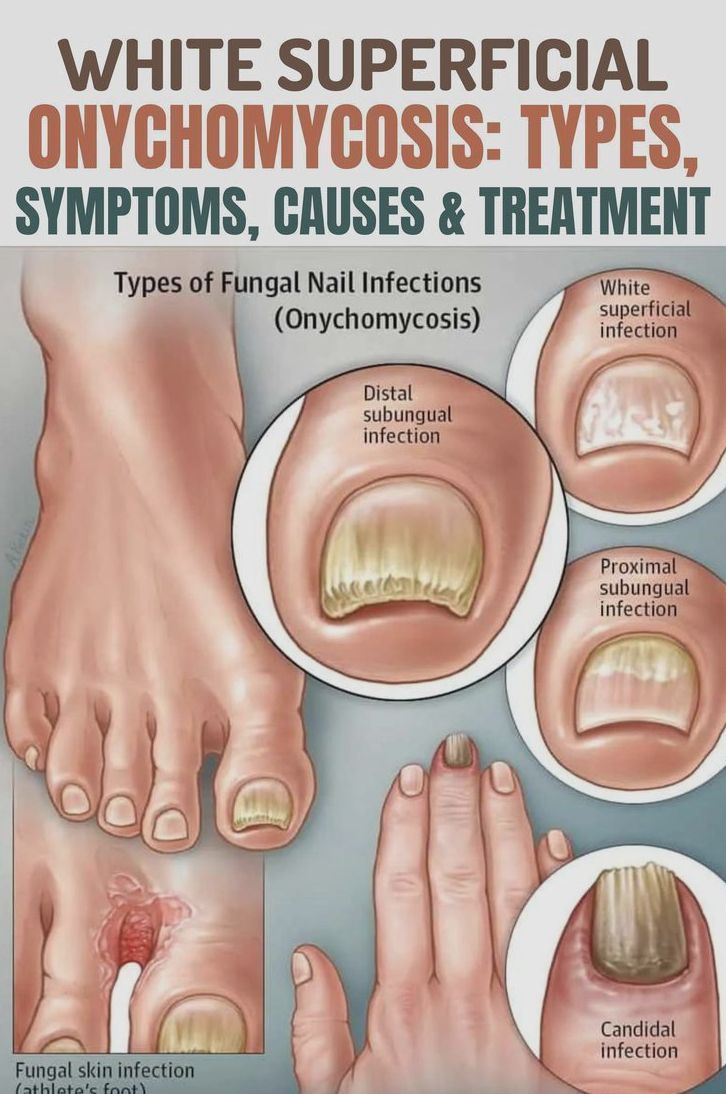
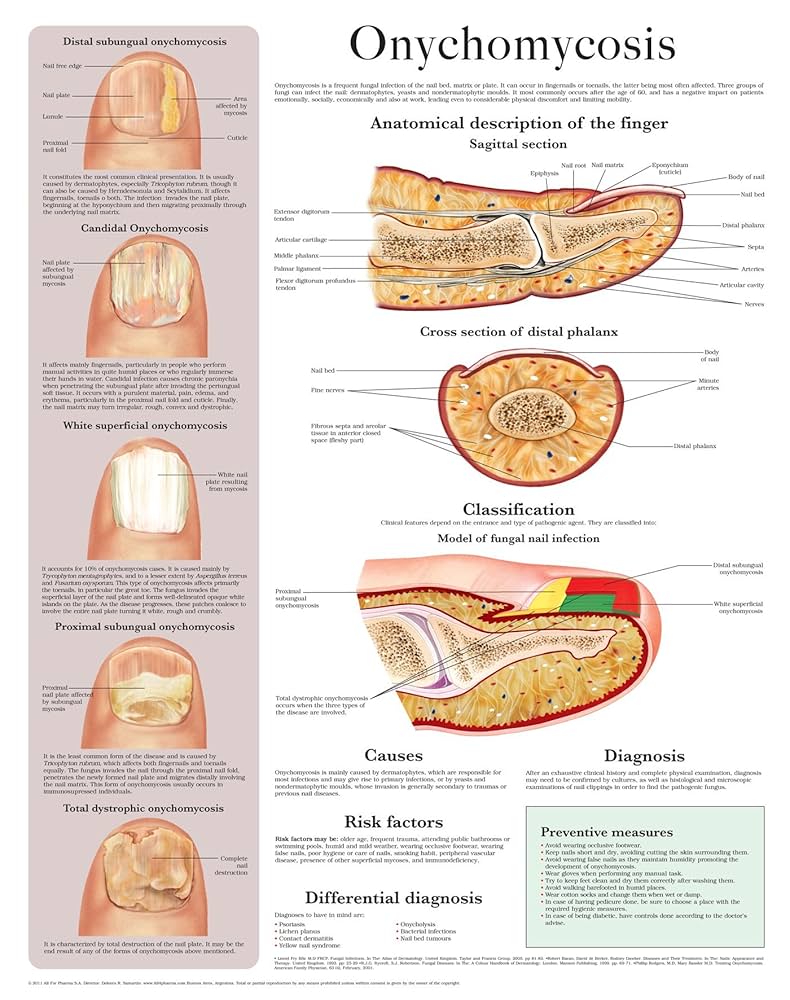
Onychomycosis is not a single condition but has different types depending on how the fungal infection affects the nails. Understanding the types is essential for accurate diagnosis and effective treatment. Each type varies in appearance, progression, and severity, and knowing them helps in choosing the right therapy to restore healthy, fungus-free nails.

Here are the main types of Onychomycosis:

  • Distal Subungual Onychomycosis (DSO): This is the most common type of Onychomycosis. It usually begins at the tip of the nail and spreads underneath the nail plate toward the nail root. Affected nails often become thick, brittle, and yellow or brown, and may even start to separate from the nail bed. DSO is primarily caused by dermatophyte fungi and often affects toenails more than fingernails.
  • White Superficial Onychomycosis (WSO): In this type, the fungus attacks the surface of the nail, creating white, powdery patches that can easily crumble. It is less common than DSO but can spread rapidly if untreated. WSO usually responds well to topical antifungal treatments, making early detection important.
  • Proximal Subungual Onychomycosis (PSO): PSO starts from the base of the nail (nail matrix) and moves outward. It is relatively rare and is often seen in individuals with weakened immune systems, such as those with HIV. Nails may appear discolored, thickened, and may separate from the nail bed, requiring systemic antifungal therapy for effective treatment.
  • Candidal Onychomycosis: Caused by yeast infections (Candida species), this type is more common in fingernails than toenails. It often occurs in people with frequent exposure to water or chemicals, such as healthcare workers or dishwashers. Nails may become red, swollen, brittle, and sometimes painful, and proper hygiene along with antifungal treatment is essential.
  • Total Dystrophic Onychomycosis: This is the most severe form, where the nail is completely thickened, discolored, and crumbled. It often results from long-standing infections or untreated Onychomycosis and may require combination therapy, including oral medications and professional nail care.

Understanding the types of Onychomycosis helps in identifying the infection early and choosing the right treatment. Proper care, hygiene, and medical guidance can restore nails to a healthy, natural appearance while preventing recurrence.

Onychomycosis-web

Causes of Onychomycosis

Onychomycosis are essential nutrients that our body needs to perform a variety of critical functions. They are classified into two main categories based on the amount required by the body: macro Onychomycosis and trace Onychomycosis. Understanding the types of Onychomycosis and their roles can help you maintain a healthy, balanced diet and overall well-being.


Here are the main causes and contributing factors:

  • Fungal Infection: The primary cause of Onychomycosis is a fungal infection. The most common fungi responsible are dermatophytes, which thrive on keratin in nails. Yeasts like Candida and non-dermatophyte molds can also cause infections, particularly in fingernails or weakened immune systems.
  • Age and Weakened Immunity: Older adults are more susceptible due to slower nail growth and reduced circulation. Individuals with weakened immune systems, including those with HIV or chronic illnesses, are also at higher risk.
  • Poor Nail Hygiene: Frequent exposure to moist or damp environments like swimming pools, communal showers, or sweaty shoes creates a perfect environment for fungal growth. Not trimming nails properly or using contaminated nail tools can increase infection risk.
  • Medical Conditions: Conditions such as diabetes, psoriasis, or peripheral vascular disease can make nails more vulnerable to fungal infections by affecting blood flow and immunity.
  • Nail Trauma: Injuries to nails, even minor ones, can allow fungi to enter and infect the nail bed, leading to Onychomycosis. Repeated trauma from tight shoes or heavy physical activity can also contribute.
  • Environmental and Lifestyle Factors: Walking barefoot in public areas, sharing nail clippers or shoes, and wearing non-breathable footwear for long periods can increase the likelihood of nail fungus infection.

Understanding these causes of Onychomycosis is crucial for early prevention and effective treatment. By maintaining proper nail hygiene, protecting nails from trauma, and managing underlying health issues, individuals can significantly reduce their risk of infection.

Symptoms of Onychomycosis

Onychomycosis, commonly known as nail fungus infection, can affect both fingernails and toenails, often starting subtly but progressing over time. Recognizing the symptoms early is essential for timely treatment and preventing the infection from worsening. Symptoms can vary depending on the type of Onychomycosis and the severity of the infection, but certain signs are commonly observed in affected nails.

1. Discoloration of Nails: Infected nails may develop yellow, white, brown, or even black spots. Discoloration often begins at the tip of the nail and gradually spreads toward the base.

2. Thickened Nails: Fungal infection causes nails to become abnormally thick, making them difficult to trim and uncomfortable when wearing shoes.

3. Brittle and Crumbly Nails: Affected nails often break, split, or crumble easily, losing their natural smooth texture.

4. Distorted Nail Shape: Onychomycosis can lead to nails growing irregularly, curving, or separating from the nail bed, a condition known as onycholysis.

5. Nail Separation: In some cases, the nail may partially or completely detach from the nail bed, causing discomfort and potential secondary infections.

6. Pain or Discomfort: While mild infections may be painless, advanced Onychomycosis can cause pain, pressure, or tenderness, especially when walking or wearing tight shoes.

7. Odor: In some cases, infected nails may emit a slight foul odor, indicating bacterial growth along with fungal infection.

Identifying these symptoms of Onychomycosis early is critical for effective treatment. Prompt action with proper antifungal care, hygiene, and medical consultation can restore nails to a healthy, strong, and fungus-free state.

Onychomycosis-web

How Onychomycosis Spreads

Onychomycosis, a common nail fungus infection, can develop quietly but spreads easily if proper hygiene and preventive measures are not followed. Understanding how Onychomycosis spreads is essential to protect yourself and others from infection. The fungus responsible for Onychomycosis thrives in warm, moist environments and can infect nails through direct or indirect contact.

1. Direct Contact with Infected Nails: Touching someone else’s infected nails or sharing personal items like nail clippers, files, or shoes can transfer the fungus directly, increasing the risk of infection.

2. Moist Environments: Fungi grow rapidly in damp places such as public showers, swimming pools, locker rooms, or sweaty shoes. Walking barefoot in these areas can easily expose nails to Onychomycosis.

3. Nail Trauma: Even minor injuries or repeated stress to nails can create openings for fungi to enter and spread within the nail plate, making nails more vulnerable to infection.

4. Contaminated Surfaces: Fungi can survive on surfaces such as floors, mats, and towels for extended periods. Contact with these surfaces may allow Onychomycosis to infect healthy nails.

5. Underlying Health Conditions: Individuals with diabetes, weakened immunity, or poor circulation are more prone to fungal spread, as their nails and skin provide an easier environment for the fungus to thrive.

6. Improper Nail Care Practices: Sharing nail tools, not disinfecting manicure equipment, or wearing non-breathable footwear for long periods can accelerate the spread of Onychomycosis.

By understanding how Onychomycosis spreads, individuals can take preventive steps such as keeping nails clean and dry, avoiding sharing personal items, and maintaining proper nail hygiene. Early action helps reduce the risk of infection and promotes healthy, fungus-free nails.

Diagnosis of Onychomycosis

Accurate diagnosis of Onychomycosis is essential for effective treatment and preventing further complications. Nail fungal infections can sometimes resemble other nail conditions, such as psoriasis or trauma-related nail changes, making professional evaluation crucial. Early diagnosis helps determine the severity of the infection and the most suitable treatment approach.

1. Visual Examination: A trained healthcare professional can often identify Onychomycosis by observing thickened, discolored, or brittle nails. The pattern of nail damage, discoloration, and nail separation can provide initial clues about the type of fungal infection.

2. Nail Clipping or Scraping: Samples of the affected nail or debris from under the nail are collected for laboratory testing. This method helps confirm the presence of fungal elements and rules out other conditions that mimic Onychomycosis.

3. Microscopic Analysis: Under a microscope, a lab specialist can identify fungal structures in the nail sample. This analysis is a quick and effective way to confirm Onychomycosis.

4. Fungal Culture: A culture test involves growing fungi from the nail sample in a controlled lab environment. This process identifies the specific type of fungus causing Onychomycosis, which can guide targeted treatment options.

5. Advanced Diagnostic Tests: In some cases, dermatologists may use PCR (Polymerase Chain Reaction) testing or other molecular techniques to detect fungal DNA, providing highly accurate results for challenging infections.

Timely and accurate diagnosis of Onychomycosis ensures that the infection is treated effectively, reducing the risk of recurrence and helping restore nails to a healthy, strong, and fungus-free state.

Treatment Options for Onychomycosis

Treating Onychomycosis effectively requires understanding the type and severity of the nail fungus infection. Early intervention can prevent the infection from worsening, restore nail health, and reduce discomfort. Treatment may involve topical solutions, oral medications, or advanced therapies, depending on how deeply the fungus has affected the nails.

1. Topical Antifungal Treatments:
For mild to moderate infections, antifungal creams, ointments, or medicated nail lacquers can be applied directly to the affected nail. These treatments help kill the fungus and prevent its spread. Consistent application over several months is usually required for noticeable improvement.

2. Oral Antifungal Medications:
Severe or persistent Onychomycosis often requires oral antifungal drugs, which work systemically to eliminate the infection from the root. Common medications are usually prescribed for several weeks to months, depending on the severity and response to treatment.

3. Laser Therapy:
Laser treatment is an emerging, non-invasive method that targets fungal growth under the nail. It helps restore nail appearance and reduce fungal activity, often used alongside other treatments for better results.

4. Nail Debridement:
In some cases, trimming, filing, or removing parts of the infected nail can help antifungal treatments penetrate more effectively. This procedure can also relieve pain and pressure caused by thickened nails.

5. Home Care and Preventive Measures:
Maintaining proper nail hygiene, keeping nails clean and dry, wearing breathable footwear, and avoiding shared nail tools are essential for supporting treatment and preventing reinfection.

Choosing the right treatment for Onychomycosis depends on infection severity, nail condition, and overall health. Consulting a healthcare professional ensures safe and effective management, helping nails return to a healthy, strong, and fungus-free state.

Conclusion

Onychomycosis is a common but often overlooked nail fungus infection that can affect both toenails and fingernails. While it may begin as a minor cosmetic issue, the infection can progress over time, leading to thickened, discolored, brittle, and sometimes painful nails. Early recognition of Onychomycosis is essential, as timely diagnosis and treatment significantly improve outcomes and prevent further complications. Understanding the types, causes, symptoms, and ways it spreads allows individuals to take proactive measures to protect their nails.

Effective treatment options for Onychomycosis range from topical antifungal solutions for mild cases to oral medications and advanced laser therapies for more severe infections. In addition to medical treatment, practicing proper nail hygiene, keeping nails dry, wearing breathable footwear, and avoiding shared nail tools are crucial preventive steps that support healing and reduce the risk of reinfection.

Ultimately, Onychomycosis is manageable with the right combination of medical care, home practices, and preventive measures. Being informed about the condition empowers individuals to act early, restore nail health, and maintain strong, healthy, and fungus-free nails. By addressing Onychomycosis promptly and following expert guidance, anyone can enjoy aesthetically pleasing nails while preventing long-term discomfort and complications.

FAQs On Onychomycosis

1. What is Onychomycosis?

Onychomycosis is a fungal infection of the nails, affecting toenails more commonly than fingernails. It causes nails to become thick, brittle, discolored, and sometimes painful. The infection is caused by fungi such as dermatophytes, yeasts, and molds, which feed on keratin in the nails. Early recognition is essential to prevent worsening and restore healthy nails.


2. What are the main causes of Onychomycosis?

Onychomycosis occurs when fungi invade the nail plate or nail bed. Common causes include poor nail hygiene, moist environments, nail trauma, aging, weakened immunity, and chronic conditions like diabetes. Sharing nail tools or walking barefoot in public areas can also increase the risk.


3. What are the symptoms of Onychomycosis?

Symptoms include yellow, brown, or white discoloration, thickened or brittle nails, nail separation from the nail bed (onycholysis), distorted nail shape, mild pain, and sometimes a foul odor. Early symptoms often begin as small spots under the nail.


4. WHow is Onychomycosis diagnosed?

Diagnosis involves visual examination by a healthcare professional, nail clipping or scraping, microscopic analysis, fungal culture, and in some cases, advanced PCR testing. Accurate diagnosis ensures proper treatment and prevents misdiagnosis with similar nail conditions.


5. Can Onychomycosis spread from person to person?

Yes, Onychomycosis can spread through direct contact with infected nails, shared nail tools, or contaminated surfaces. Walking barefoot in public showers, gyms, and swimming pools also increases the risk of spreading the fungus.


6. Is Onychomycosis contagious?

Onychomycosis is moderately contagious, especially in environments where fungi thrive. Practicing good hygiene, avoiding sharing nail tools, and wearing proper footwear can help prevent transmission.


7. What are the types of Onychomycosis?

The main types include Distal Subungual Onychomycosis (DSO), White Superficial Onychomycosis (WSO), Proximal Subungual Onychomycosis (PSO), Candidal Onychomycosis, and Total Dystrophic Onychomycosis. Each type varies in appearance, progression, and treatment requirements.


8. Can fingernails get Onychomycosis?

Yes, fingernails can develop Onychomycosis, although it is more common in toenails. Fingernail infections are often linked to frequent water exposure, trauma, or weakened immunity.


9. Can Onychomycosis go away on its own?

Onychomycosis rarely resolves without treatment. Ignoring the infection can cause nails to thicken, crumble, and become painful, making medical intervention necessary. Early treatment improves recovery chances.


10. What are the best treatments for Onychomycosis?

Treatments include topical antifungal creams or nail lacquers for mild cases, oral antifungal medications for severe infections, and laser therapy for advanced cases. Nail debridement and proper hygiene are also important.


11. How long does it take to cure Onychomycosis?

Curing Onychomycosis depends on severity, nail growth rate, and treatment type. Toenail infections may take 6–12 months, while fingernail infections often heal in 3–6 months with consistent treatment.


12. Are oral medications safe for Onychomycosis?

Oral antifungal medications are generally safe when prescribed by a healthcare professional. Patients may require liver function monitoring and careful adherence to dosage to prevent side effects.


13. Can Onychomycosis cause pain?

Mild infections may be painless, but advanced Onychomycosis can cause discomfort or pain, especially when thickened nails press against shoes or underlying tissue.


14. Does Onychomycosis affect overall health?

While primarily a nail issue, untreated Onychomycosis can lead to secondary bacterial infections and complications in people with diabetes or weakened immune systems.


15. Can Onychomycosis recur after treatment?

Yes, Onychomycosis can recur if nail hygiene is neglected, exposure to fungi continues, or treatment is incomplete. Following preventive measures reduces the risk of reinfection.


16. Can home remedies treat Onychomycosis?

Some home remedies, such as tea tree oil, vinegar soaks, or proper nail care, may support treatment but are often insufficient alone for severe infections. Professional antifungal therapy is recommended for effective results.


17. Is Onychomycosis more common in men or women?

Onychomycosis affects both genders but is slightly more common in men and older adults, likely due to slower nail growth, footwear habits, and higher exposure to fungi.


18. Can athletes get Onychomycosis?

Yes, athletes are at higher risk because sweaty, enclosed footwear, frequent communal showers, and nail trauma create a perfect environment for fungal infections.


19. How can Onychomycosis be prevented?

Prevention includes keeping nails clean and dry, wearing breathable shoes, avoiding shared nail tools, trimming nails properly, and using antifungal sprays or powders in shoes.


20. Can diabetes worsen Onychomycosis?

Yes, individuals with diabetes are more susceptible to Onychomycosis due to weakened immunity and poor circulation, which can make infections more persistent and harder to treat.